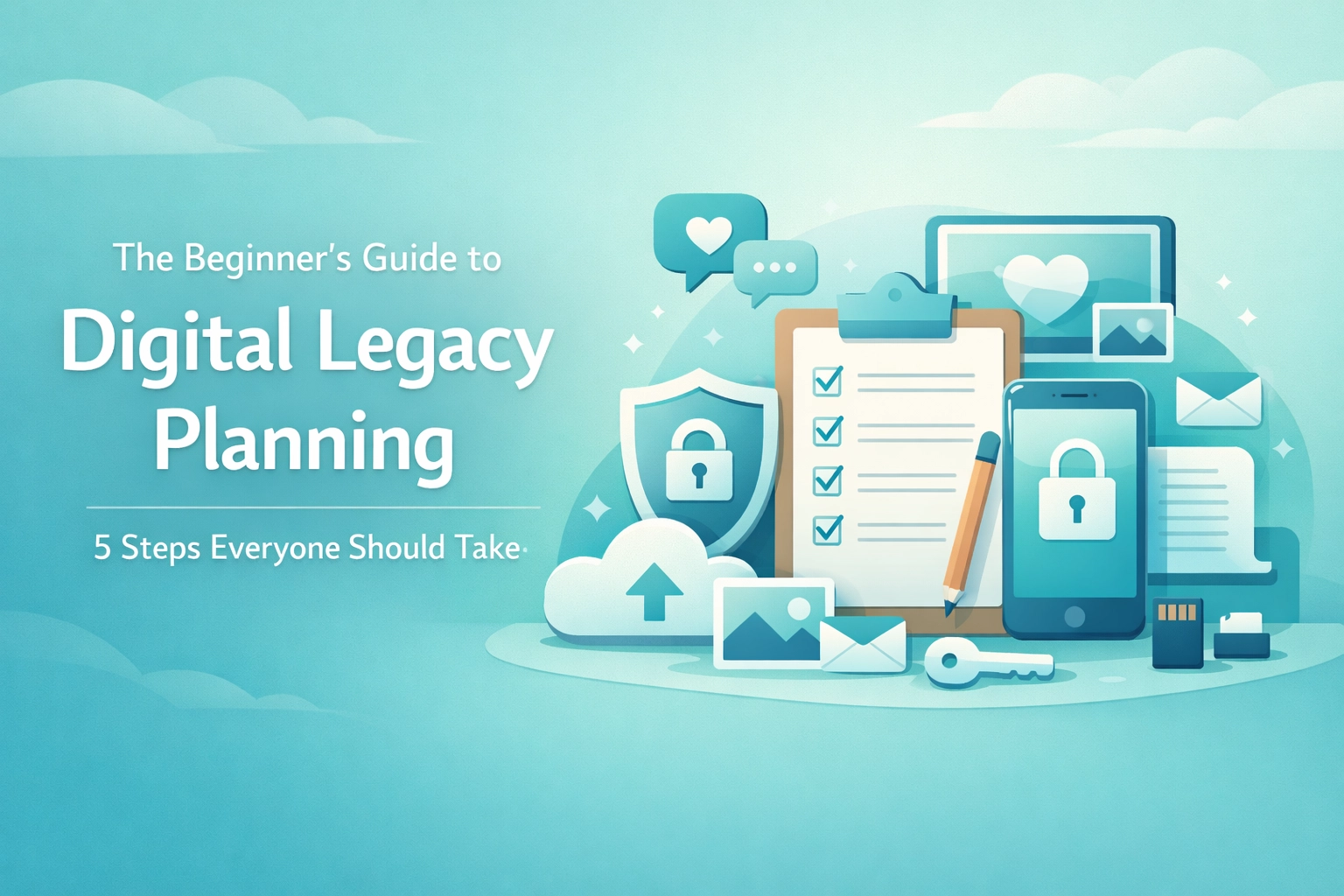
Digital legacy planning isn't about being morbid. It's about taking control of your story and making sure the people you care about aren't left sorting through a digital maze during an already difficult time.
The good news? You don't need to be tech-savvy or spend weeks on this. Just follow these five straightforward steps, and you'll have peace of mind knowing your digital life is in order.
Step 1: Take Inventory of Your Digital Life
Before you can plan anything, you need to know what you actually have out there.
Start by making a simple list of every digital account and asset you own. Yes, every single one. This includes the obvious stuff like social media profiles and email accounts, but also the things people often forget about.

Think about:
- Social media: Facebook, Instagram, LinkedIn, TikTok, X (Twitter)
- Communication: Email accounts, messaging apps, video call platforms
- Financial accounts: Online banking, investment platforms, PayPal, Venmo, cryptocurrency wallets
- Cloud storage: Google Drive, Dropbox, iCloud, OneDrive
- Subscriptions: Netflix, Spotify, Amazon Prime, domain names you own
- Content you've created: Blogs, YouTube channels, podcasts, digital art
- Photos and videos: Scattered across your phone, computer, and various cloud services
- Devices: Smartphones, tablets, laptops, smart home devices
Don't worry about being perfect on the first pass. You can always add to this list later. The goal is just to get a clear picture of your digital footprint.
Step 2: Decide What Your Legacy Should Be
Here's where it gets personal.
Not everything in your digital life needs to be preserved forever. Some accounts should probably just disappear. Others might contain memories worth passing down for generations.
Ask yourself what matters most. Is it the thousands of photos documenting your children growing up? The thoughtful emails you exchanged with friends? Your unique perspective on life that you'd want your grandchildren to understand someday?
This step is about intention. What do you actually want to leave behind?
Maybe you want your Facebook profile memorialized so friends can share memories. Perhaps you'd rather have your Twitter account deleted entirely. That old blog you started in 2010? Probably time to let it go.

The most important legacy, though, isn't your account settings: it's your voice, your stories, and your wisdom. It's the things that can't be captured in a password-protected spreadsheet.
Step 3: Choose the Right Tools for Different Jobs
Digital legacy planning isn't one-size-fits-all. Different aspects of your digital life need different solutions.
For social media accounts, most major platforms now offer legacy features. Facebook has Legacy Contact, Google has Inactive Account Manager, and Apple has Legacy Contact for your iCloud data. These are solid options for ensuring access to specific accounts.
For passwords and sensitive information, a reputable password manager like 1Password, LastPass, or Bitwarden can securely store login credentials and allow emergency access to trusted contacts.
For legal and financial documents, cloud storage with proper sharing permissions works well: just make sure someone knows how to access it.
But here's what those tools miss: they're all about access, not legacy.
They can help someone close your accounts or retrieve your files. What they can't do is capture who you were, the stories you wanted to share, or the guidance you wished you could offer loved ones in the future.
Step 4: Record Your Memories and Stories
This is the heart of digital legacy planning, and it's the step most people skip.
Think about what future generations will actually want. It's not your Netflix queue or your old email password. It's you. Your voice. Your perspective. The stories only you can tell.
What do you wish you could ask your great-grandparents? What advice would have changed your life if you'd heard it earlier? What family stories do you carry that would otherwise be lost?
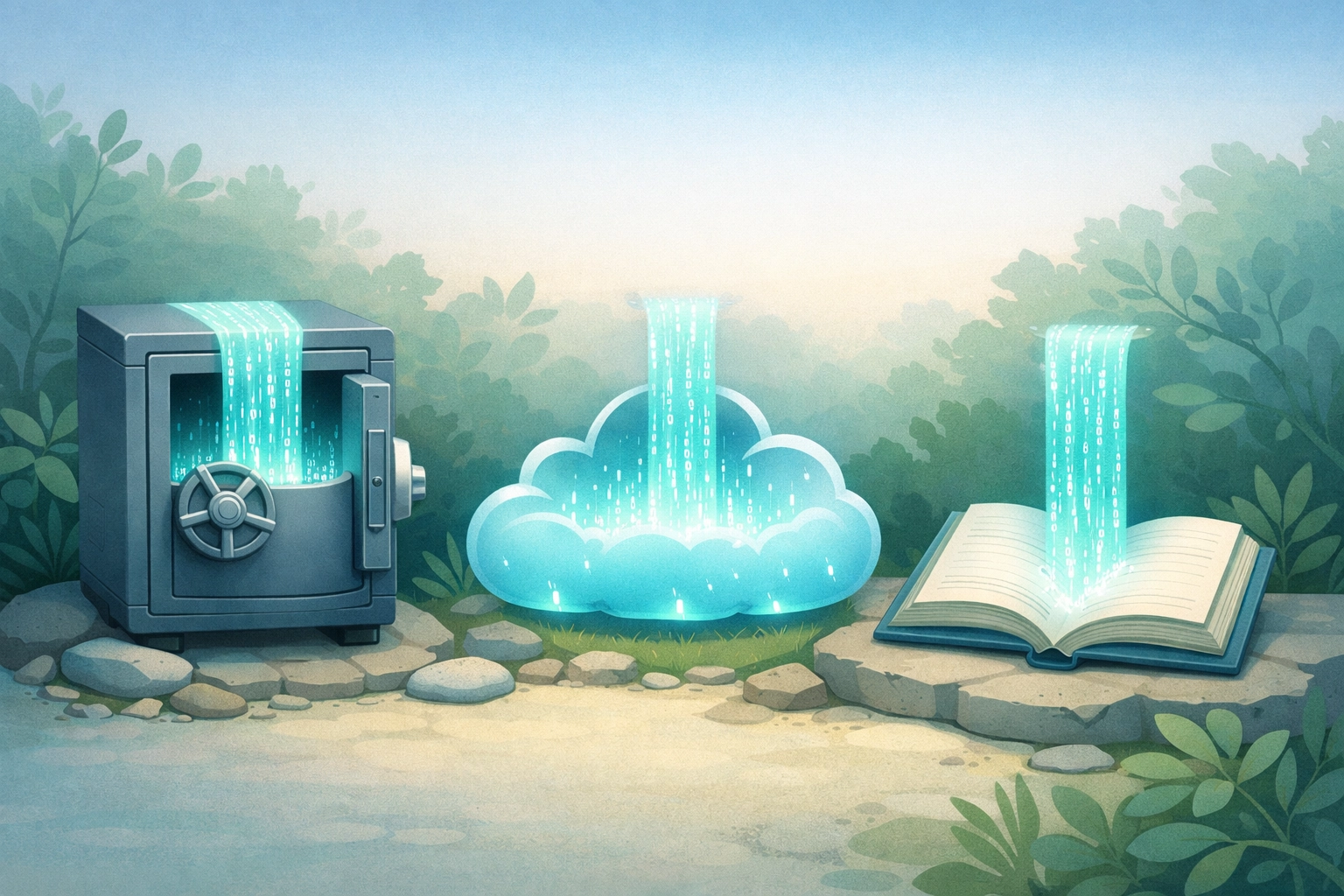
This is where Remembird AI becomes essential.
Instead of sitting down with a blank page (which let's be honest, you'll probably never get around to), Remembird makes it natural. Just talk. Share a story from your childhood. Record your thoughts on parenting. Capture the lessons you've learned the hard way.
The app transforms your voice recordings into a searchable, preservable digital legacy. Even better, it creates an AI companion trained on your actual words and perspective: a way for future generations to ask you questions and hear responses grounded in your real stories and wisdom.
Your great-grandchildren won't remember what social media accounts you had. But they'll treasure the chance to hear your voice talking about what mattered to you.
It takes just a few minutes to download the app and start recording. No special equipment. No writing skills required. Just you, sharing what you want remembered.
Step 5: Share Access with Trusted People
A perfect digital legacy plan that nobody knows about is worthless.
You need to tell someone: ideally multiple people: about what you've set up and how to access it when the time comes.
Choose a digital executor. This should be someone who's both trustworthy and reasonably tech-comfortable. They'll be responsible for carrying out your wishes regarding your digital assets.
Have a conversation with them. Not just a "hey, you're my digital executor" text, but a real discussion about:
- Where your inventory list is stored
- How to access your password manager
- What you want done with specific accounts
- Where your important memories are preserved (like in Remembird)
- Any special instructions or wishes

Make sure this information is included in your official estate planning documents too. Your digital executor's role should be legally recognized, just like your traditional executor.
And don't keep everything locked behind passwords until you're gone. Consider giving trusted family members access to your memory recordings and stories now. Let them experience and engage with your legacy while you're still here to add to it.
Your Legacy Starts Today
Here's the thing about digital legacy planning: the hardest part is just starting.
You don't need to do everything at once. Start with a simple inventory this week. Choose your tools next month. Record your first story when the moment feels right.
But do start. Because the stories you don't capture today might be lost forever.
Your digital legacy isn't really about technology at all. It's about the people you love and the parts of yourself you want them to carry forward. It's about ensuring that your voice, your wisdom, and your unique perspective don't disappear into the void.
The accounts and passwords: those are just logistics. Your real legacy is the piece of yourself that lives on in the memories and lessons you leave behind.
Ready to Start Preserving What Matters Most?
Download Remembird AI and record your first story today. It takes just a few minutes to begin building a legacy that will last for generations.
Download Remembird AI