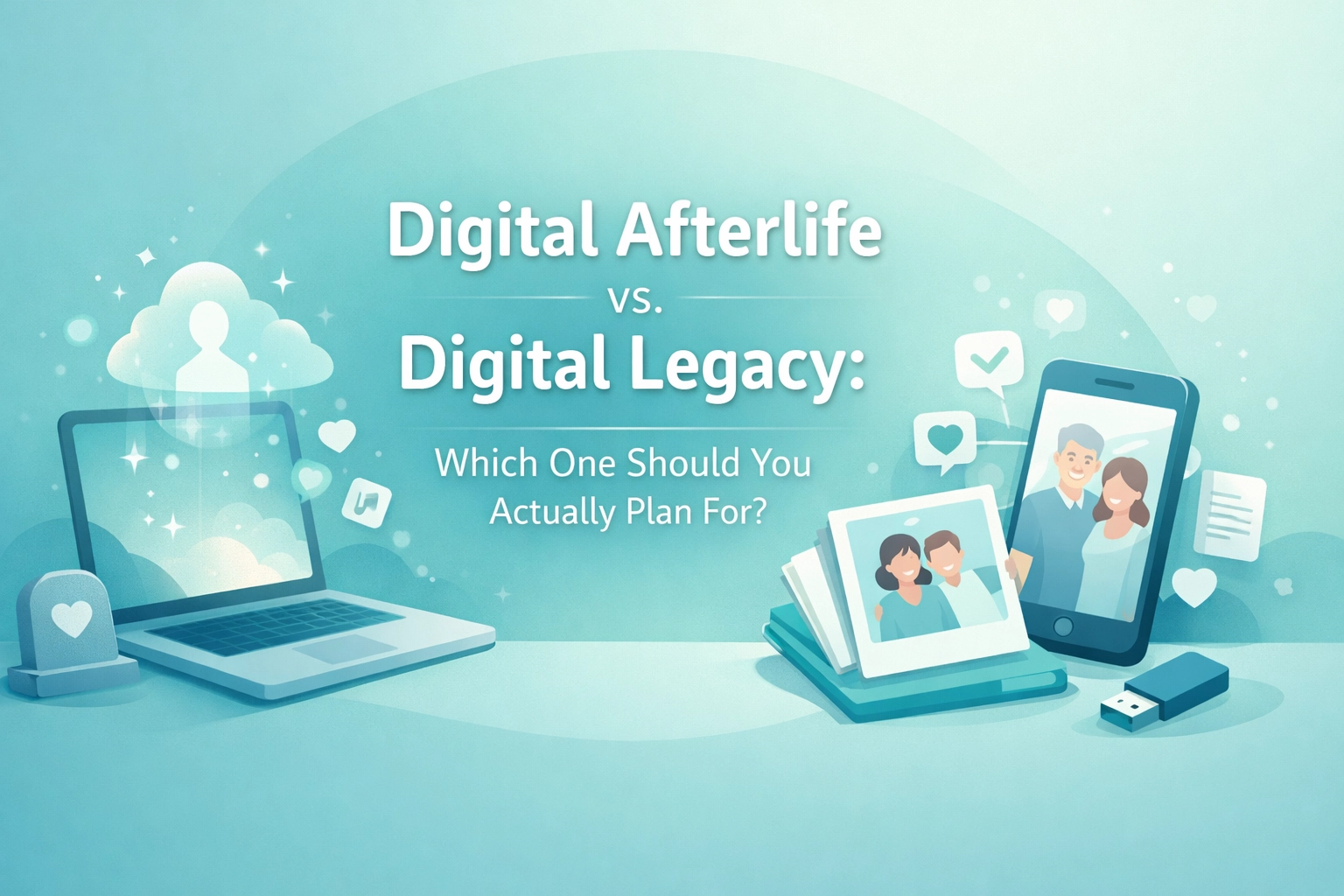
That's a digital afterlife checklist. And while it matters, it's fundamentally different from creating an actual digital legacy.
Let me explain the difference: because understanding it might completely change how you think about what you're leaving behind.
What a Digital Afterlife Really Means
Your digital afterlife is essentially administrative cleanup. It's the sum of all your online accounts, subscriptions, passwords, cloud storage, email archives, and social media profiles that continue to exist after you're gone.
Think of it as your digital paperwork. Your Netflix subscription that keeps charging. Your Facebook profile that sits frozen in time. Your Gmail account with 15 years of emails. Your Amazon account. Your bank logins. Your photos scattered across three different cloud services.

Without a plan, this creates a genuine headache for your loved ones. They'll face locked accounts they can't access, subscriptions they didn't know existed, and the nearly impossible task of piecing together your digital footprint across dozens of platforms.
Digital afterlife planning is about making that process easier. It means:
- Listing all your accounts and where to find passwords
- Designating someone to manage your digital assets
- Deciding which accounts should be deleted or memorialized
- Protecting your family from identity theft
- Preventing ongoing charges from forgotten subscriptions
It's practical. It's necessary. But here's what it isn't: meaningful.
What a Digital Legacy Actually Is
A digital legacy is something entirely different. It's not about your data: it's about your voice, your wisdom, your stories, and the parts of you that can't be reduced to account credentials.
Your digital legacy is what your grandchildren will want to know about you in 2050. It's the answer to questions like: What did you believe in? What made you laugh? What advice would you give? What were the pivotal moments that shaped who you became?
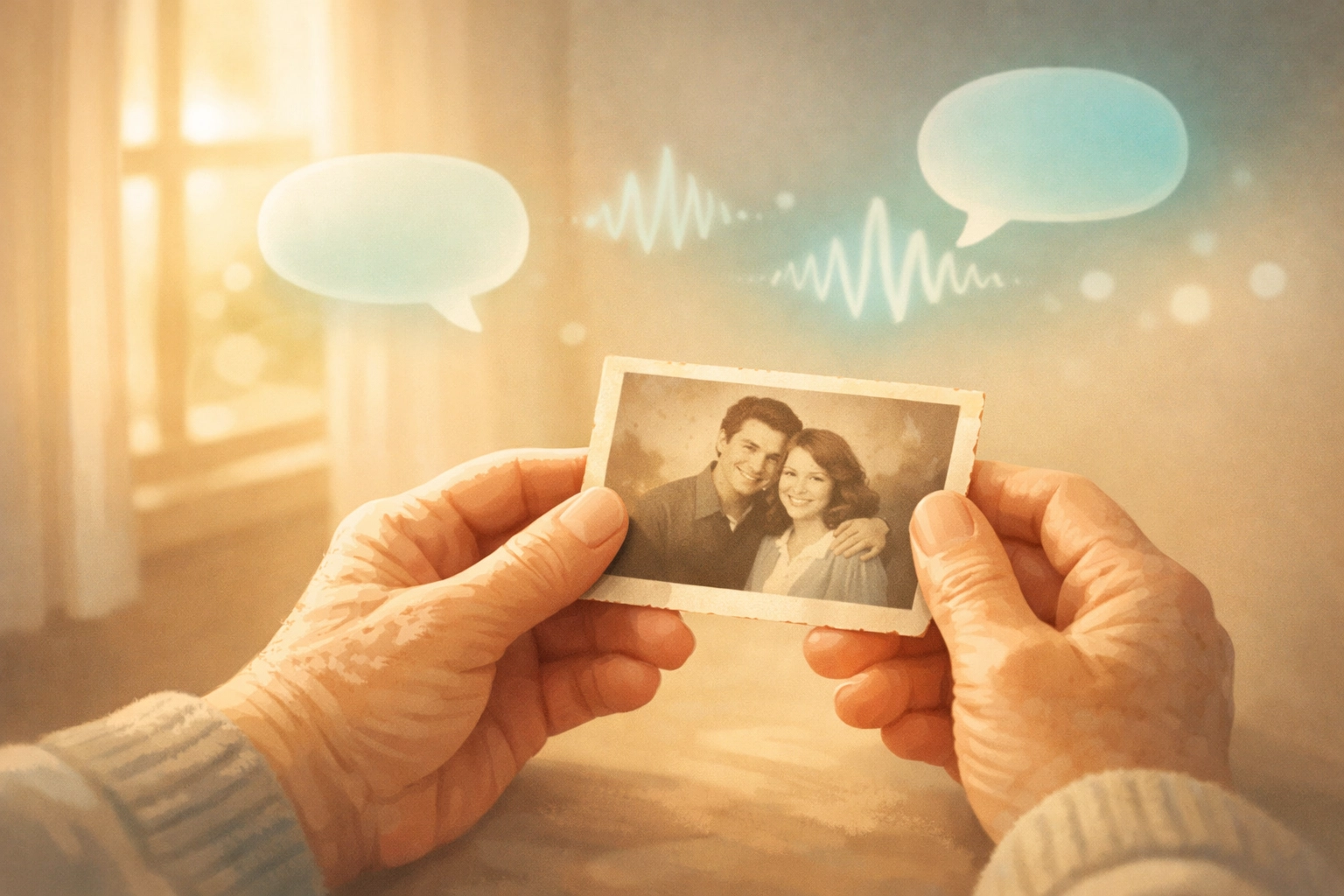
Think about your own grandparents or great-grandparents for a moment. Would you rather have their old email password, or a recording of their voice telling you about their childhood? Would you prefer access to their Facebook account, or to hear them share the lessons they learned over a lifetime?
That's the distinction.
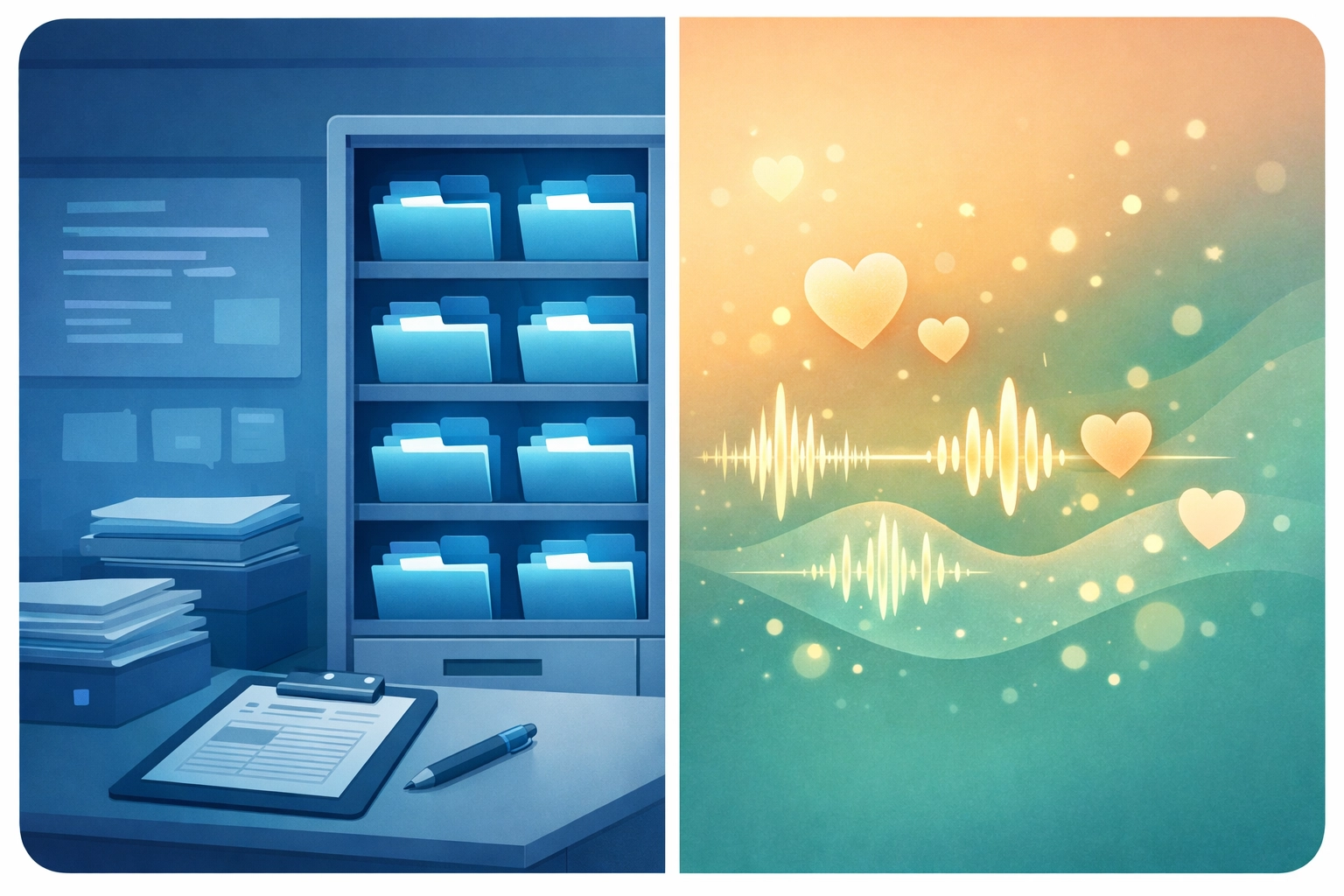
A digital afterlife is about managing the stuff you leave behind. A digital legacy is about preserving the person you were: intentionally, thoughtfully, and in your own voice.
Why This Distinction Actually Matters
Most people conflate these two concepts, and that's where the problem starts. They think they're "planning their digital legacy" when really they're just organizing their accounts. Or they assume that because their photos are backed up to the cloud, they've somehow preserved their story.
But here's the truth: data isn't memory, and accounts aren't stories.
Your family doesn't need your password vault. They need to hear your voice. They need to understand what mattered to you. They need guidance, wisdom, and connection that extends beyond your lifetime.
The danger of focusing solely on digital afterlife planning is that you end up spending time managing the administrative side while completely missing the opportunity to create something that actually resonates with future generations.
What Happens When You Only Plan for One
If you only plan your digital afterlife, you make things easier logistically. Your executor can access accounts, close subscriptions, and manage your digital estate. That's valuable, but it's transactional.
If you only create a digital legacy without handling the practical side, you leave behind something beautiful: but your family still has to deal with the administrative chaos of locked accounts and ongoing charges.
The ideal approach? Handle both, but prioritize the legacy part. Because in five years, no one will care about your Spotify account. But they will care about hearing your voice.
How to Actually Create a Digital Legacy (Not Just Organize Your Data)
Creating a real digital legacy means capturing your voice, your stories, and your perspective in a way that's accessible and meaningful to future generations.
Here's what that looks like in practice:
Record your voice, not just your photos. Photos are wonderful, but they're silent. They don't capture how you spoke, what you found funny, or how you explained the world. Voice is personal. It's intimate. It's the thing your family will miss most.
Answer the questions that matter. Not "What was your first job?" but "What did you learn from failure?" Not "Where did you grow up?" but "What do you wish you'd known at 25?" These are the conversations that create connection across generations.
Make it interactive, not static. A written memoir sits on a shelf. A voice recording gets played once and forgotten. But an interactive digital persona: one that can respond to questions, share relevant stories, and feel like a conversation: that's something your family will return to again and again.
This is exactly why we built Remembird AI. We realized that most legacy planning tools focus on the administrative side: the passwords, the accounts, the data. But they miss the entire point of preservation: capturing the essence of who you are.
How Voice-First Technology Changes Everything
Remembird AI takes a different approach. Instead of asking you to write your life story (let's be honest, who has time for that?), it guides you through voice-first conversations.
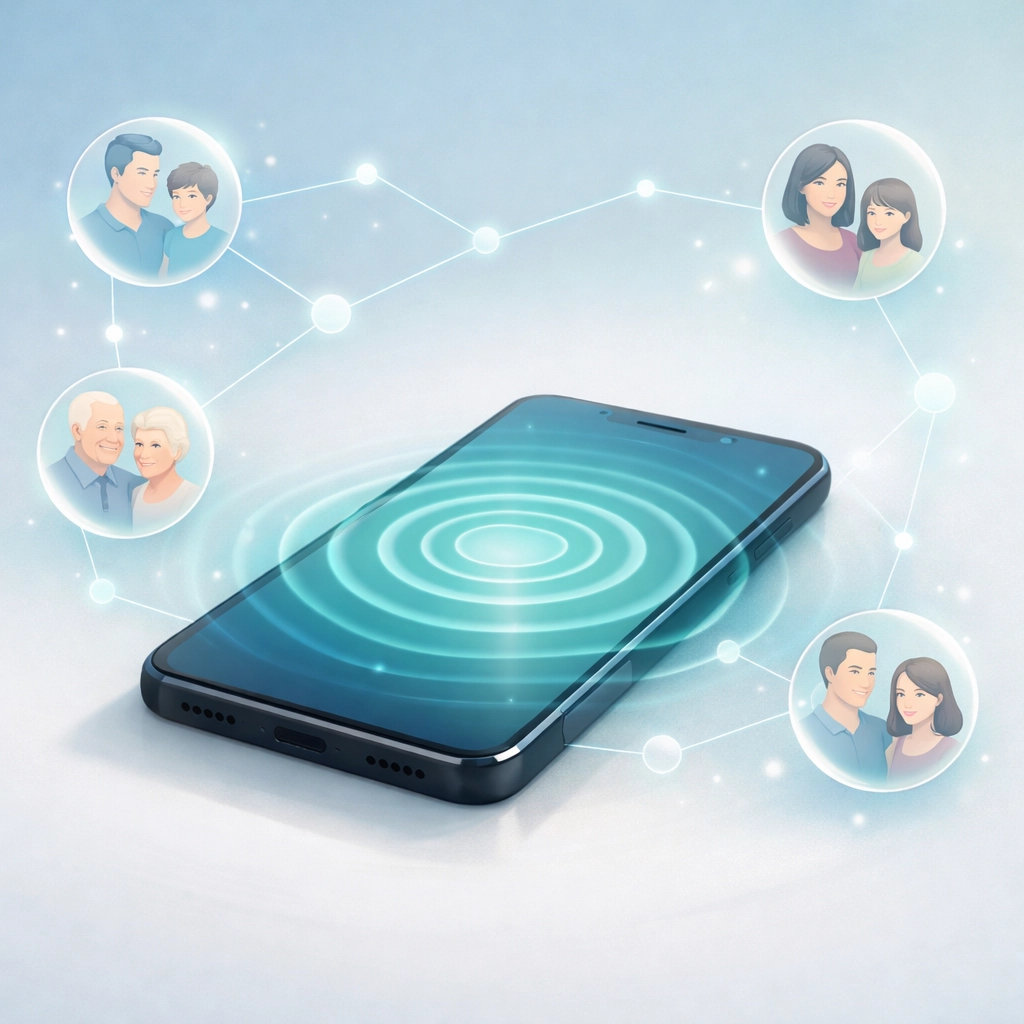
You simply speak. The app listens and asks thoughtful follow-up questions. It captures your natural way of speaking, your pauses, your laughter, your unique perspective on life.
The guided interview format means you're never staring at a blank page wondering what to say. You're having a conversation. And those conversations become the foundation of an interactive digital persona that your family can engage with long after you're gone.
Think of it as creating a version of yourself that can answer questions, share stories, and offer guidance to future generations: in your own voice, with your own wisdom.
The Real Choice You're Making
So back to the original question: Digital afterlife or digital legacy: which should you plan for?
The honest answer is both, but if you had to choose one, choose legacy. Choose to preserve your voice, your stories, and your wisdom. Choose to create something your great-grandchildren will treasure.
Because here's what I know for certain: In 20 years, no one will remember whether you organized your passwords properly. But they will remember: and cherish: the sound of your voice telling them what mattered most.
Your digital afterlife is about tying up loose ends. Your digital legacy is about creating something that lasts forever.
Start Building Your Legacy Today
Download Remembird AI and record your first story. It takes five minutes. And those five minutes might become the most treasured gift you ever give your family.
Download Remembird AIBecause the best legacy isn't the one you organize: it's the one you speak into existence.